Netflix has become a go-to for music documentaries, but not every artist’s story translates with authenticity. Lainey Wilson: Keepin Country Cool stands out not because it reinvents the genre, but because it refuses to. This isn’t a glossy, overproduced rise-to-fame tale—it’s a raw, reflective journey that mirrors the evolution of modern country music through the eyes of one of its most genuine voices.
For fans wondering whether to press play, the answer isn’t just about music. It’s about whether you value honesty, Southern roots, and the quiet grind behind stardom. Based on real moments, unscripted emotion, and a clear sense of identity, this special earns its place in the streaming spotlight.
Let’s break down what works, what doesn’t, and why this might be the most grounded music documentary Netflix has released in years.
Why This Documentary Feels Different
Most artist films chase spectacle. They zoom in on sold-out arenas, red carpet moments, or headline controversies. Keepin Country Cool does the opposite. It lingers on long drives down Louisiana backroads, early-morning songwriting sessions, and the quiet exhaustion that follows a three-set tour night.
Lainey Wilson doesn’t position herself as a superstar. She’s a daughter, a small-town girl, a songwriter first. The narrative arc reflects that. Instead of a linear “from zero to hero” structure, the documentary unfolds like a conversation—organic, meandering, and deeply personal.
Key moments include: - Her first time hearing her song on country radio - A vulnerable conversation with her parents about leaving home - The emotional weight of performing at the Grand Ole Opry
These aren’t staged for drama. They’re pulled from real footage, voice memos, and handheld clips shot over years.
This approach aligns perfectly with the current shift in country music: a return to authenticity amid a crowded landscape of pop crossover hits. Wilson isn’t rebelling against modern country—she’s redefining it on her terms.
The Journey: From Jasper to Nashville
Lainey Wilson grew up in Jasper, Louisiana—a town with a population under 600. The documentary spends significant time here, grounding her story in place. We see her childhood home, the local feed store where her dad worked, and the church where she first sang in public.
This isn’t just nostalgic set dressing. It’s central to her identity. Wilson repeatedly emphasizes that her music is rooted in real life—not manufactured narratives.
The film traces her move to Nashville at 20, armed with little more than a pickup truck and a notebook full of songs. What follows isn’t instant success. It’s six years of near misses, open mics, and survival jobs. She worked as a hostess, a dog walker, and even helped manage a doggy daycare.
One particularly telling scene shows her crying in her car after being turned down for a publishing deal. “I thought I had it,” she says. “But I didn’t. And I had to decide: quit or keep going.”
She kept going. And the documentary doesn’t skip over that struggle. It highlights it.
The Sound: How “Keepin Country Cool” Defines a Vibe
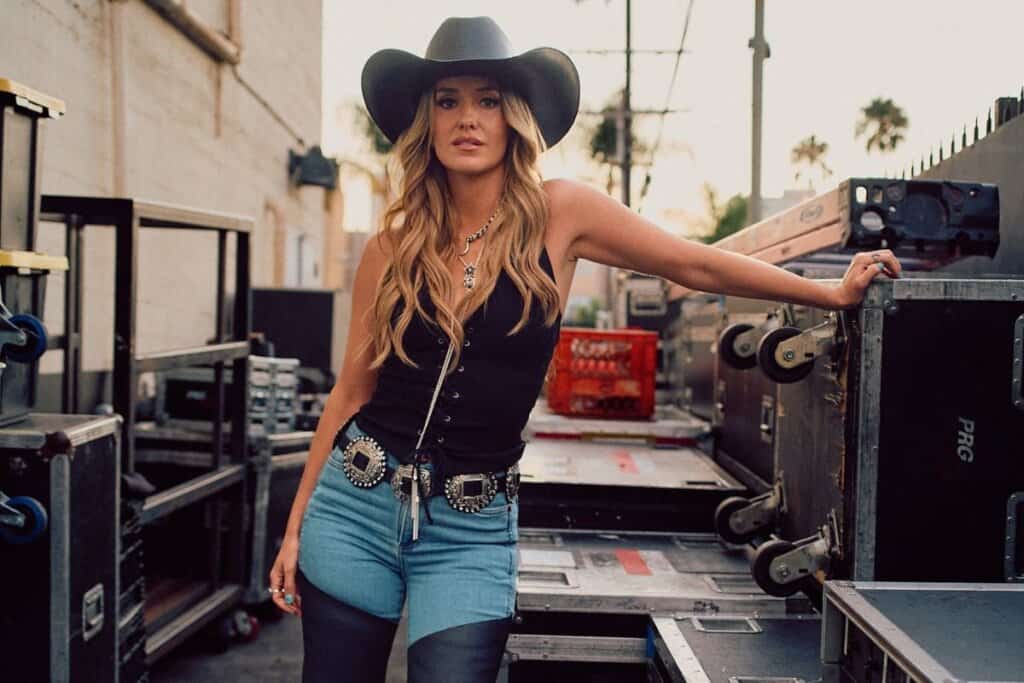
The title isn’t a slogan—it’s a philosophy. And Wilson unpacks it throughout the special. “Keepin Country Cool” doesn’t mean resisting change. It means preserving the soul of the genre while letting it breathe.
Musically, the documentary showcases her blend of traditional country instrumentation—fiddle, pedal steel, acoustic guitar—with contemporary rhythms and lyrical honesty. Tracks like “Things a Man Oughta Know” and “Watermelon Moonshine” aren’t just hits; they’re cultural markers of a new Southern voice.
Behind the scenes, we see her co-writing sessions, where she pushes for lines that feel lived-in rather than catchy. One co-writer recalls Wilson rejecting a verse because “no one talks like that in real life.” That commitment to truth runs through the entire project.
The film also includes live performances shot in intimate venues—honky-tonks, barns, back porches. These aren’t polished for TV. You hear the crowd, the clinking glasses, the occasional flubbed note. And that’s the point.
The Visual Language: No Fluff, All Feeling
Cinematographically, Keepin Country Cool opts for realism over flash. There are no drone shots of Nashville skylines or slow-motion strolls down Broadway. Instead, the camera stays close—on her hands as she tunes a guitar, on her face as she listens to an old voicemail from her grandmother, on the cracked leather of her favorite boots.
Color grading leans warm—earthy browns, faded blues, golden hour light. It feels like a photo album come to life.
Interviews are kept sparse and meaningful. There’s no parade of celebrity cameos. Instead, we hear from her childhood music teacher, her parents, her band members—people who’ve known her longest and seen her grow.
This restraint pays off. By avoiding overproduction, the film lets Wilson’s personality shine without interference.
What It Gets Right – And Where It Falls Short
No documentary is perfect. Keepin Country Cool has its limitations, but they’re largely by design.
Strengths:
- Authenticity over glamour: The film never pretends Wilson’s journey was easy or glamorous. It shows the grind.
- Emotional depth: Her relationship with her family, especially her parents, adds emotional weight that resonates.
- Music as narrative: Songs aren’t just performed—they’re explained, deconstructed, and tied to personal moments.
- Cultural context: It quietly comments on the state of country music today, positioning Wilson as a bridge between tradition and evolution.
Weaknesses:
- Pacing can drag: Some sequences, like long driving shots, may test casual viewers’ patience.
- Limited industry critique: The film avoids deeper conversations about gatekeeping or diversity in country music.
- No real conflict: While refreshing in its lack of drama, it may feel too smooth for viewers expecting tension or controversy.
For die-hard fans, these aren’t flaws—they’re features. But for viewers looking for a more critical or fast-paced doc, it might not deliver.
Is It Worth Watching? The Verdict
Stream it.
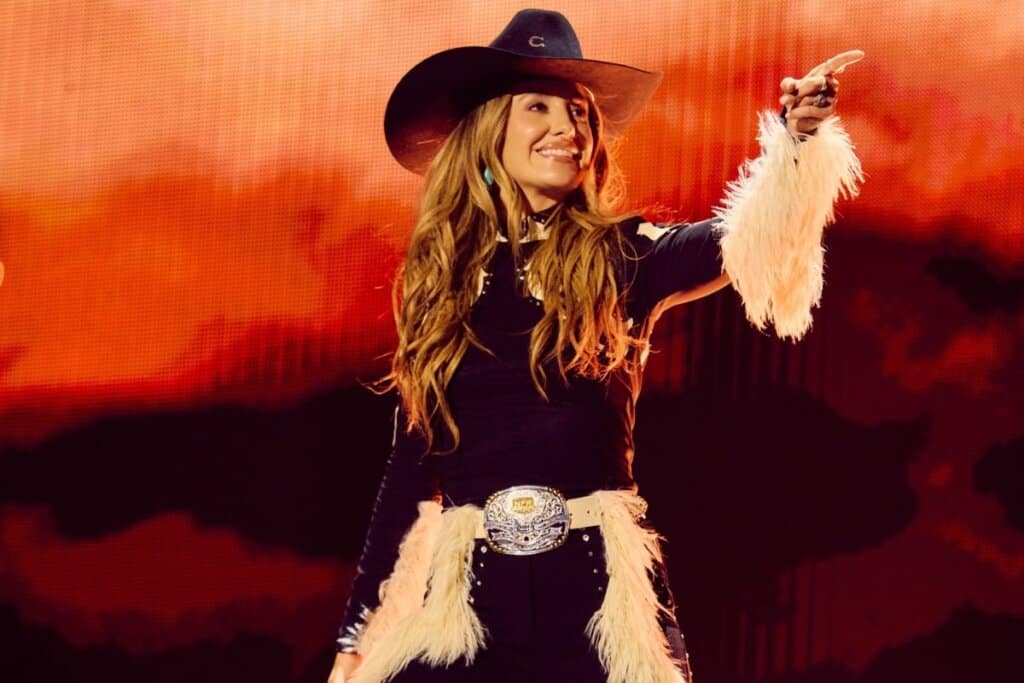
Here’s why: Lainey Wilson: Keepin Country Cool isn’t trying to be everything. It’s not a concert film, a tell-all, or a behind-the-scenes industry exposé. It’s a portrait—a slow, deliberate, heartfelt look at who Lainey Wilson is and how she got here.
If you’re: - A fan of modern country with traditional roots - Interested in artist origin stories told with humility - Drawn to documentaries that feel more like journal entries than press tours
…then this is essential viewing.
Even if you’re not deeply familiar with her music, the film works as a window into a specific American experience—small towns, big dreams, and the quiet courage it takes to follow your own path.
It’s also a rare example of a streaming music documentary that doesn’t feel exploitative or rushed. Netflix gave her space to breathe, and she used it wisely.
Who Should Skip It?
That said, there are valid reasons to pass.
Skip it if: - You prefer high-energy, fast-cut music docs with celebrity cameos - You’re looking for controversy, drama, or industry insider revelations - You’re not interested in country music or Southern culture
This isn’t Taylor Swift: The Eras Tour or Harry Styles: Live on Tour. It doesn’t aim for spectacle. It aims for truth.
And truth, by nature, is quieter.
Final Take: More Than a Music Special
Keepin Country Cool succeeds because it understands its subject. Lainey Wilson isn’t trying to be cool. She’s just being Lainey. And in a media landscape crowded with curated personas, that simplicity is radical.
The film doesn’t just document a career—it captures a mindset. One that values work over fame, craft over clout, and roots over trends.
By the final scene—a solo acoustic performance of “Heart Like a Truck” under string lights in a backyard—the message is clear: country music doesn’t need to be reinvented to stay relevant. It just needs artists like her to keep showing up, keep writing, and keep it real.
Press play if you want to see what real looks like.
Stream It or Skip It: Final Checklist
✅ Stream if: - You appreciate artist-driven storytelling - You’re a fan of modern traditional country - You value authenticity over production value
❌ Skip if: - You want a concert-heavy or fast-paced doc - You’re not interested in Southern culture or country music - You expect celebrity drama or industry critique
FAQs
Is Lainey Wilson: Keepin Country Cool a full concert film? No—it’s a documentary that includes live performances but focuses more on her personal journey and songwriting process.
How long is the Netflix special? Approximately 78 minutes—long enough to explore her story without overstaying its welcome.
Does the documentary include new music? Not full unreleased tracks, but it features intimate, stripped-down versions of songs, including behind-the-scenes insights into their creation.
Is this suitable for non-country fans? Yes, if you appreciate personal storytelling and cultural narratives. The themes of family, resilience, and identity are universal.
Are there celebrity interviews or cameos? Minimal. The focus stays on Wilson’s personal circle—family, bandmates, and collaborators—rather than big-name endorsements.
Does it cover her recent awards and success? Yes, but briefly. The emphasis is on the journey, not the trophies.
Can I watch it without knowing her music? Absolutely. The film serves as both a career retrospective and an entry point for new listeners.
What mistakes should you avoid? Avoid generic choices, weak validation, and decisions based only on marketing claims.
What is the next best step? Shortlist the most relevant options, validate them quickly, and refine from real-world results.